
Insights
What Is Waste Water Treatment? And Why Is It Important?
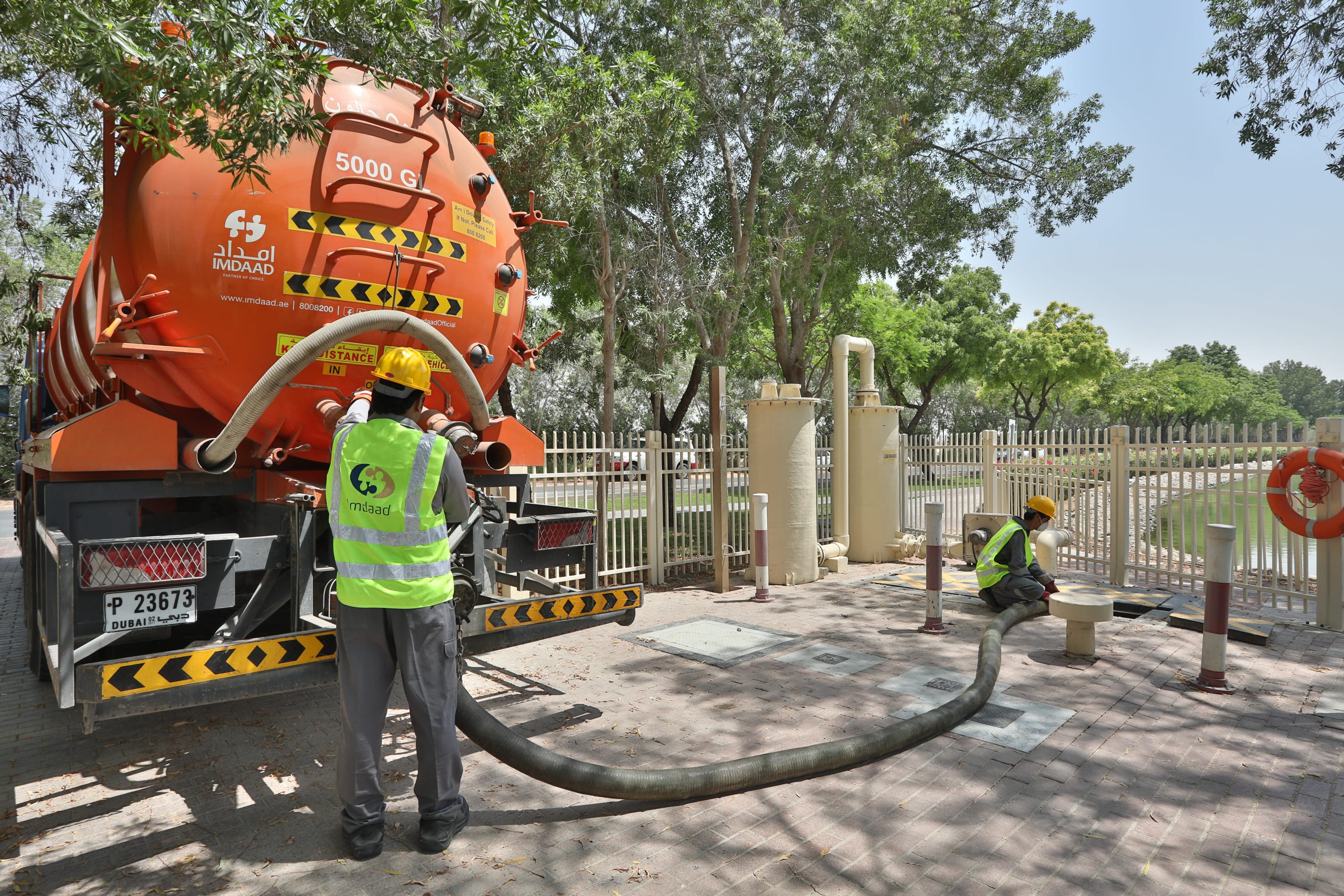
Water is among the most critical resources sustaining urban growth, industrial development, and public health. Yet as cities expand and industrial activity accelerates, wastewater volumes increase proportionally. Without structured systems, untreated discharge contaminates ecosystems, threatens public safety, and strains infrastructure.
At Imdaad, we operate at the forefront of integrated environmental solutions in the UAE, delivering advanced waste water management frameworks that align with regulatory mandates and sustainability goals. In this blog, we will understand about what is waste water management, how treatment systems function, and why they are strategically indispensable.
Understanding What Is Waste Water Treatment
Waste water treatment is the process of removing contaminants from used water - including sewage, industrial discharge, and runoff - so it can be safely returned to the environment or reused. The treatment process combines mechanical separation, biological degradation, and chemical treatment to eliminate solids, organic matter, harmful microorganisms, and pollutants.
However, treatment is only one component of a larger environmental system. To fully grasp operational responsibility, organisations must also understand what is waste water management and how it integrates infrastructure, monitoring, and reuse.
What Is Waste Water Management?
It refers to the complete system of collecting, transporting, treating, monitoring, and safely disposing or reusing wastewater.
A comprehensive waste water management framework typically includes:
Sewer network systems
Pumping stations
Waste water treatment works
Sludge treatment and disposal facilities
Compliance monitoring and reporting systems
Reuse and recycling integration
A proper wastewater management system ensures water is handled safely at every stage of its lifecycle.
What Are Waste Water Treatment Works?
Waste water treatment works are specialised facilities where wastewater undergoes structured purification processes. These plants are engineered to meet strict discharge standards and environmental compliance benchmarks.
Modern waste water treatment works typically operate through multiple stages:
1.Preliminary Treatment
Removal of large debris, plastics, and grit to protect downstream equipment.
2. Primary Treatment
Sedimentation tanks allow suspended solids to settle, reducing organic load.
3. Secondary Treatment
Biological processes use microorganisms to break down dissolved organic matter.
4. Tertiary Treatment
Advanced filtration, nutrient removal, and disinfection to meet higher water quality standards.
5. Sludge Treatment
Processing and stabilisation of solids before safe disposal or reuse.
Imdaad supports the design, operation, and optimization of waste water treatment works, ensuring efficiency, resilience, and regulatory compliance across sectors.
Industry Insights & Market Context
Globally, only an estimated 20% of wastewater is adequately treated before discharge, underscoring the urgent need for infrastructure expansion and technological modernisation.
In the UAE, rapid urbanisation and sustainability-driven policies have accelerated investment in advanced waste water treatment works and water reuse systems. Treated wastewater now plays a critical role in irrigation, landscaping, district cooling, and industrial operations.
Importance of Waste Water Treatment
The importance of waste water treatment cannot be overstated. It directly influences environmental protection, economic resilience, and public health standards.
1. Protecting Public Health
Untreated wastewater contains pathogens, bacteria, and harmful contaminants. Proper treatment eliminates health risks and prevents disease transmission.
2. Environmental Preservation
The importance of waste water treatment lies in preventing contamination of marine ecosystems, groundwater reserves, and natural waterways.
3. Water Conservation in Arid Regions
In water-scarce environments such as the UAE, treated wastewater supports irrigation and industrial reuse, reducing dependence on desalinated water.
4. Regulatory Compliance
Environmental authorities enforce strict discharge standards. Structured treatment ensures legal adherence and avoids penalties.
5. Sustainable Urban Development
Modern cities depend on reliable sanitation infrastructure. The importance of waste water treatment extends to enabling safe urban expansion and infrastructure planning.
Benefits of Wastewater Treatment
The measurable benefits of wastewater treatment extend beyond environmental protection.
Reduced Environmental Pollution
Effluent discharge that meets regulatory standards protects ecosystems and biodiversity.
Enhanced Water Security
Reclaimed water reduces stress on freshwater resources.
Improved Public Health Outcomes
Lower pathogen exposure reduces disease risks in communities.
Infrastructure Longevity
Proper sludge and effluent management reduce system overload and premature infrastructure failure.
Industrial & Agricultural Support
The benefits of wastewater treatment include providing alternative water sources for landscaping, agriculture, and cooling systems.
Long-Term Economic Stability
Environmental compliance reduces liability risks and strengthens ESG performance metrics.
Collectively, these benefits of wastewater treatment position it as a foundational component of sustainable development.
IMDAAD’s Leadership in Waste Water Solutions
As a regional leader in integrated facility management, Imdaad delivers end-to-end environmental infrastructure solutions. Our wastewater solutions include:
Operation and maintenance of waste water treatment works
Preventive and predictive maintenance programs
Sludge handling and disposal management
Compliance monitoring and regulatory reporting
Water reuse system integration
Smart monitoring and automation technologies
Our expertise ensures that every stage of waste water management meets performance benchmarks, regulatory mandates, and sustainability objectives. We do not simply operate treatment plants, we optimize environmental systems that protect communities and support national development strategies.
Request a Consultation. Contact Imdaad for Facilities Management Services.
Frequently Asked Questions
1. What are the stages of waste water treatment?
The stages of waste water treatment include preliminary, primary, secondary, and tertiary treatment, followed by sludge processing to remove solids and contaminants.
2. Why is waste water treatment important?
Waste water treatment is important because it prevents water pollution, protects public health, and enables water reuse in regions like the UAE where water resources are limited.
3. What are waste water treatment works?
Waste water treatment works are specialised facilities where wastewater is processed through multiple stages to remove pollutants and meet environmental standards.
4. Can treated wastewater be reused?
Yes, treated wastewater can be reused for irrigation, landscaping, industrial processes, and cooling systems depending on the level of treatment.
5. What are the benefits of waste water treatment?
The benefits of waste water treatment include reduced pollution, improved public health, water conservation, regulatory compliance, and sustainable resource management.