
Insights
What Is Facilities Management and Why Is It Important?
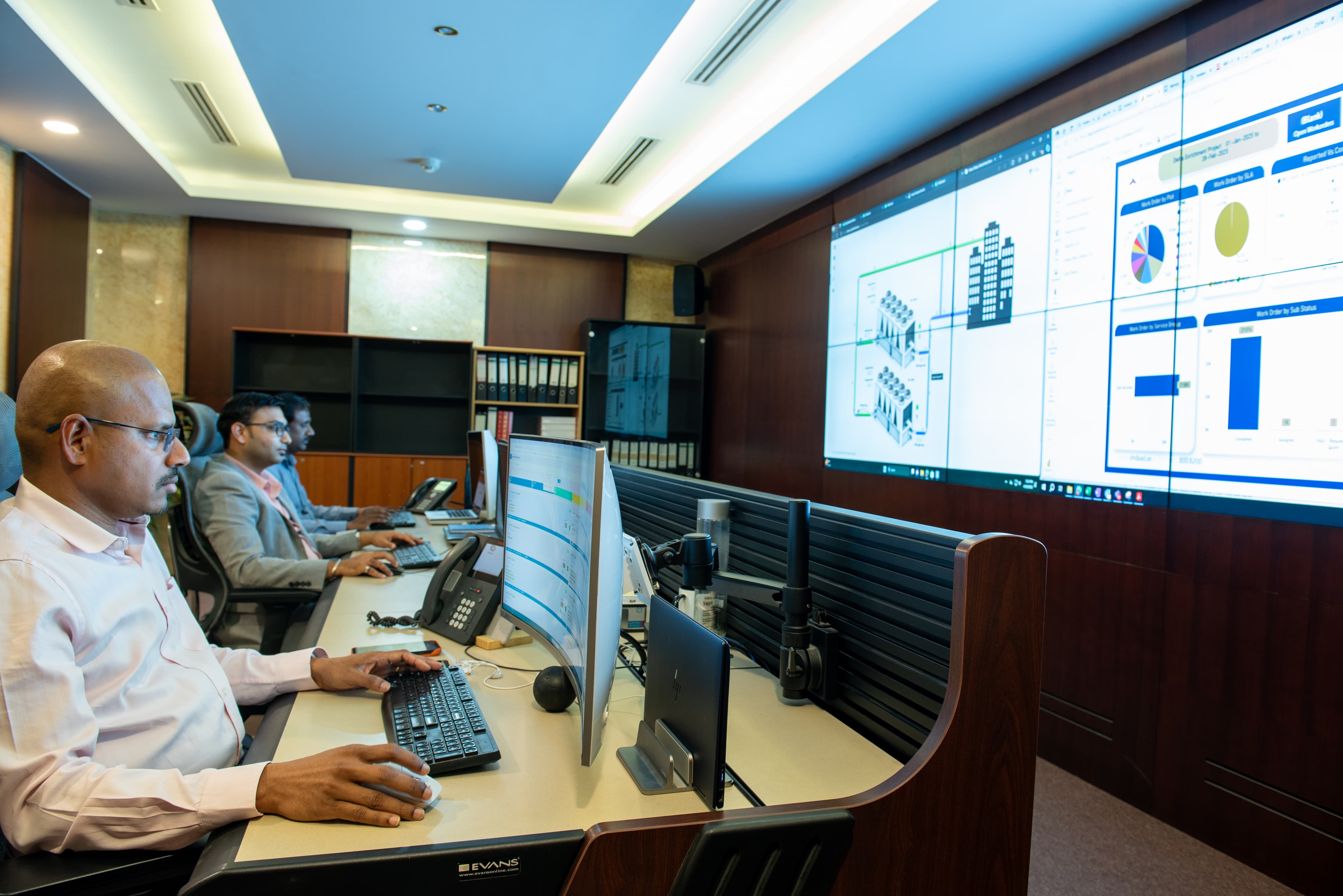
Facilities Management helps organisations avoid everyday building problems-like system failures, safety risks, and service disruptions-that can interrupt work and business operations. When maintenance is delayed or compliance is overlooked, even minor issues can escalate into downtime, safety incidents, or service disruption across an entire facility.
As organisations expand across multiple systems, vendors, and locations, facilities management moves beyond fixing issues after they occur and focuses on preventing them in the first place. Today, it plays a key role in improving efficiency, controlling costs, meeting compliance requirements, and supporting a better workplace experience highlighting the growing importance of facilities management in modern organisations.
At Imdaad, we have built our reputation on managing complex assets, critical environments, and large-scale portfolios where uptime, compliance, and performance are non-negotiable. Facilities management, when executed correctly, protects business continuity, strengthens regulatory compliance, and drives measurable cost efficiency.
What Is Facilities Management?
Facilities Management ensures that buildings, systems, and services actively support business operations instead of creating safety risks, compliance gaps, or avoidable disruptions.
At Imdaad, FM covers the services needed to keep facilities safe, compliant, functional, and comfortable for the people who use them every day. These services are typically divided into hard facilities management services and soft facilities management services, both of which are essential for effective facility operations.
As facilities become larger or more complex, maintaining consistent standards across locations, assets, and compliance requirements becomes increasingly difficult.
How Facilities Management Works in Different Industries
Imdaad delivers facilities management across diverse, high-demand sectors, including:
Healthcare FM ensures patient safety by maintaining HVAC, power systems, fire safety, and hygiene standards. Any failure can impact compliance and care delivery.
IT and Data Centres Facilities management focuses on uptime through cooling systems, power redundancy, and preventive monitoring to avoid costly service disruptions.
Manufacturing In industrial environments, FM supports equipment reliability, worker safety, and energy control, helping prevent production downtime and safety incidents.
Retail and Commercial Spaces FM maintains cleanliness, climate control, lighting, and security to deliver a consistent customer experience across locations.
When Does Facilities Management Become Critical for a Business?
At Imdaad, preventive maintenance planning, compliance tracking, and integrated service delivery are core to protecting asset value and ensuring uninterrupted operations. Industry data shows that:
Preventive maintenance programs reduce operating expenses by 12–18%
Structured preventive strategies deliver up to 4× return on investment compared to reactive maintenance
Organisations reduce overall maintenance costs by 20–40% when shifting from reactive to preventive models
Facilities Management becomes essential when growing operational complexity makes reactive or informal maintenance unreliable and risky.
Common indicators include:
Business growth or expansion into multiple locations or larger facilities
Increasing frequency of equipment failures or unplanned downtime
Rising maintenance costs without clear visibility or control
Stricter regulatory or compliance requirements
Safety incidents or audit findings
Internal teams becoming overstretched managing facilities alongside core responsibilities
At this point, facilities management is no longer just support-it becomes essential to keeping operations stable and compliant. A structured FM approach enables organisations to anticipate issues, standardise processes, improve asset lifespan, and maintain consistent service levels-preventing small issues from escalating into operational or financial risks.
Core Areas of Facilities Management
Facilities Management focuses on areas that directly affect whether a building operates reliably, safely, and efficiently on a day-to-day basis, including:
Building maintenance and asset lifecycle management
Health, safety, and statutory compliance
Workplace experience and employee well-being
Energy management and sustainability initiatives
Space planning and operational efficiency
When these areas are managed effectively, organisations experience fewer disruptions, better compliance outcomes, and more predictable operational performance.
Types of Facilities Management Services
Hard Facilities Management Services
At Imdaad, hard facilities management covers systems that can quickly trigger safety incidents, compliance breaches, or operational shutdowns if they fail or are inadequately maintained
Typical Hard FM services include:
HVAC systems and air conditioning maintenance
Electrical systems and power distribution
Plumbing, drainage, and water systems
Fire detection and firefighting systems
Elevators and escalators
Building Management Systems (BMS)
Preventive and corrective maintenance
Because these services are often statutory and technically complex, many organisations rely on specialised facilities management companies or experienced consultants to manage them effectively.
Soft Facilities Management Services
Soft facilities management services at Imdaad focus on people-centric functions that enhance comfort, hygiene, safety, and overall user experience within a facility.
Common Soft FM services include:
Cleaning and housekeeping
Security services and access control
Waste management and recycling
Landscaping and grounds maintenance
Pest control
Catering and pantry management
Reception and front-of-house services
Although these services may not always be legally mandated, inconsistent cleaning standards, security gaps, or poorly managed front-of-house functions often have an immediate impact on safety perception, employee morale, and daily operational flow.
Importance of Facilities Management
When facilities are poorly managed, organisations often see more breakdowns, safety issues, and rising maintenance costs, which can disrupt operations and strain budgets-making effective facilities management essential for operational stability. Well-managed facilities reduce operational risks, prevent disruptions, and create environments that support productivity and well-being.
Facilities Management by Imdaad ensures that infrastructure enables business operations rather than becoming a liability-particularly for large enterprises, multi-site organisations, and sectors such as healthcare, IT, manufacturing, and retail.
Benefits of Facilities Management
Understanding these benefits helps organisations see facilities management as a long-term operational investment, not just a support expense
Key benefits of facilities management include:
Improved health, safety, and regulatory compliance
Greater operational efficiency with reduced downtime
Enhanced workplace experience and employee productivity
Better cost control and budget predictability
Improved sustainability and energy efficiency
Stronger business continuity and risk management
By leveraging the expertise of professional facilities management consultants, organisations can achieve consistent service quality while optimising performance across locations.
Integrated Facilities Management
Integrated Facilities Management (IFM) brings together hard facilities management services and soft facilities management services under a single management structure or service provider. This approach makes it easier to coordinate services, assign accountability, and maintain consistent service standards.
For organisations managing multiple sites or service providers, integrating hard and soft services under a single operational framework often reduces service fragmentation and improves accountability.
When facilities are managed proactively, they reduce risk, stabilise operations, and allow organisations to focus on growth rather than constant operational issues. By understanding how facilities management functions in practice and how it supports operational stability, organisations can make informed decisions that reduce risk, improve efficiency, and create sustainable, high-performing environments.
FAQs
How do I know if my organisation needs a facilities management partner?
If maintenance issues, compliance demands, or vendor coordination are taking focus away from core business operations, a facilities management partner can provide structured oversight and expertise.
What are the risks of managing facilities without a structured FM strategy?
Organisations risk higher downtime, safety incidents, compliance gaps, and unpredictable costs due to reactive maintenance and limited visibility.
Is facilities management only required for large enterprises?
No. Small and mid-sized businesses also benefit from FM, especially in regulated environments or during periods of growth.
What should businesses look for when choosing a facilities management provider?
Look for industry experience, technical expertise, compliance knowledge, scalability, and transparent reporting.
Is integrated facilities management better than managing multiple vendors?
Integrated FM improves coordination and accountability by managing all services under a single framework, reducing service gaps and inefficiencies.
Request a Consultation. Contact Imdaad for Facilities Management Services