
Insights
What Is Integrated Facilities Management and Why It Matters in the UAE
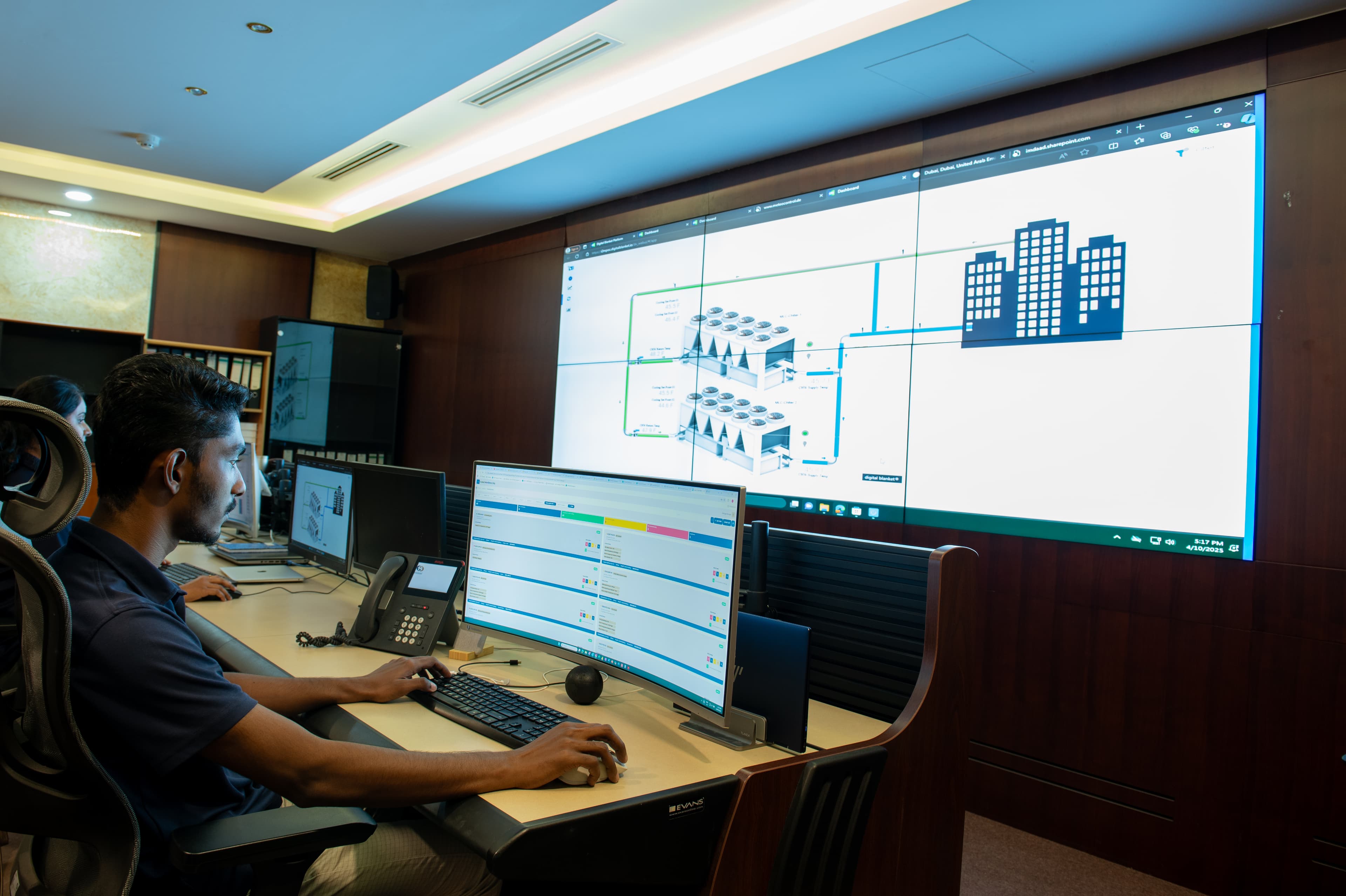
In the UAE's fast-evolving urban landscape, facilities are no longer just physical spaces - they're operational environments where efficiency and sustainability directly impact business performance. This is where integrated facilities management (IFM) becomes a critical consideration for businesses and developers alike.
For organisations operating in complex, large-scale environments, partnering with an experienced provider like Imdaad goes beyond basic outsourcing - it helps improve how assets perform and how operations run over the long term. With a strong footprint across the UAE, Imdaad has positioned itself as a leader in delivering intelligent, end-to-end facilities solutions that go far beyond traditional maintenance.
What Is Integrated Facilities Management?
At its core, integrated facilities management refers to the strategic consolidation of all facility-related services under a single provider, ensuring streamlined operations, improved accountability, and enhanced performance.
Instead of coordinating multiple vendors directly, organisations can work with a single partner who manages the full scope of services - whether delivered in-house or through managed specialists.
Imdaad’s IFM model is designed to cover every aspect of facility operations, including:
End-to-end hard facilities management, such as HVAC, MEP systems, and infrastructure upkeep
Comprehensive soft services in facility management, including cleaning, hygiene, and manpower support
Sustainability-focused services such as waste management and recycling
Specialist services including fire protection, automation, and energy optimisation
This integrated approach ensures that every moving part within a facility is aligned, monitored, and optimised under a single ecosystem.
How Imdaad Delivers Integrated Facilities Management
Traditional facilities management often leads to fragmented service delivery, miscommunication, and inefficiencies. Imdaad addresses this by creating a fully unified service structure through its advanced integrated facilities management services.
Imdaad's approach goes beyond basic consolidation by embedding technology and data into every layer of service delivery.
Through a combination of AI-driven platforms, IoT-enabled monitoring, and data analytics, Imdaad delivers:
Real-time performance tracking of assets
Predictive maintenance to minimise downtime
Optimised workforce deployment
Enhanced reporting and transparency
With technology embedded into every service layer, facilities move from being simply maintained to being continuously optimised.
Key Benefits of Integrated Facilities Management with Imdaad
The real value of this approach becomes clearer when you look at the tangible impact Imdaad delivers across industries.
1. Cost Efficiency Through Consolidation
One of the biggest advantages of integrated facilities management is cost optimisation. Consolidating services under one provider can reduce duplication, lower administrative overhead, and improve resource utilisation across large-scale operations.
2. Enhanced Asset Lifecycle Management
With proactive strategies embedded into its hard facilities management, Imdaad helps extend the lifespan of critical infrastructure such as HVAC systems, electrical networks, and mechanical assets.
3. Single Point of Accountability
Working with multiple vendors often creates gaps in accountability and communication when issues arise. Imdaad's integrated model provides a single accountable partner, enabling faster decisions, quicker resolutions, and greater operational clarity.
4. Superior Service Quality
Through structured delivery of soft services in facility management, Imdaad ensures consistent quality across cleaning, hygiene, and support services-critical for both commercial and residential environments.
5. Sustainability at the Core
Another key benefit of integrated facilities management is sustainability. Imdaad integrates environmental services like recycling, wastewater treatment, and energy-efficient practices into its IFM framework, directly supporting the UAE’s green goals.
6. Scalability Across Sectors
From residential communities to industrial complexes and large commercial developments, Imdaad's IFM solutions are designed to scale across different sectors and project sizes, adapting to evolving business needs.
Why Integrated Facilities Management Matters in the UAE
To fully appreciate the value of integrated facilities management, it helps to understand why it matters so much in the UAE context.
The region’s infrastructure is defined by:
Mega developments and smart cities
High standards for operational excellence
Increasing focus on sustainability and ESG goals
Complex regulatory and compliance requirements
In such an environment, fragmented facility management models simply cannot keep up.
Imdaad's experience in delivering large-scale IFM solutions helps clients adopt a cohesive, future-ready approach that aligns with national priorities and business expectations.
Imdaad’s Integrated Approach: A Strategic Advantage
What differentiates Imdaad is its ability to combine operational excellence with innovation and sustainability.
Its integrated model is built on:
A highly trained, multi-disciplinary workforce
Advanced digital platforms for smart facility management
Strong focus on environmental responsibility
Comprehensive service coverage under one umbrella
This allows clients to shift from reactive repairs to a proactive, data-led approach.
Whether it’s managing critical systems through hard facilities management or ensuring seamless day-to-day operations through soft services in facility management, Imdaad delivers consistency at every level.
The Future of Integrated Facilities Management with Imdaad
As the UAE continues its journey toward smart cities and sustainable urban ecosystems, the role of IFM will only become more critical.
Emerging trends shaping the future include:
AI-led predictive maintenance
Increased automation and robotics
Data-driven facility optimisation
Greater emphasis on carbon reduction and sustainability
Imdaad continues to evolve its services to meet these emerging demands, investing in automation, analytics, and sustainability
Request a consultation today to see how Imdaad's integrated approach can support your facility's performance.
Frequently Asked Questions
What is integrated facilities management?
Integrated facilities management (IFM) is a service model where a single provider manages all hard and soft facility services - HVAC, maintenance, cleaning, waste, and more - under one contract and one point of accountability.
What are the main benefits of integrated facilities management?
IFM reduces costs through vendor consolidation, extends asset lifespans with proactive maintenance, and provides single-point accountability for faster issue resolution. It also improves service consistency and supports sustainability goals.
How does Imdaad deliver IFM?
Imdaad delivers IFM through a unified model combining AI-driven monitoring, predictive maintenance, and a multi-disciplinary workforce - covering hard, soft, and specialist services under one contract.
What are hard and soft services?
Hard services cover technical infrastructure like HVAC, MEP, electrical, and plumbing systems. Soft services cover people-focused functions like cleaning, hygiene, security, and waste management.
Why is it important in the UAE?
The UAE's mega-developments, smart cities, and sustainability commitments under Vision 2030 require coordinated facility operations. IFM delivers this through a single provider, where fragmented vendor models often fall short.
Which industries benefit from Integrated Facilities Management?
IFM benefits residential, commercial, healthcare, hospitality, industrial, and educational sectors. Industries with complex operations - particularly healthcare and hospitality - gain the most from single-point accountability and 24/7 coverage.