
Insights
Easy HVAC Maintenance Tips to Keep Your System Running Smoothly
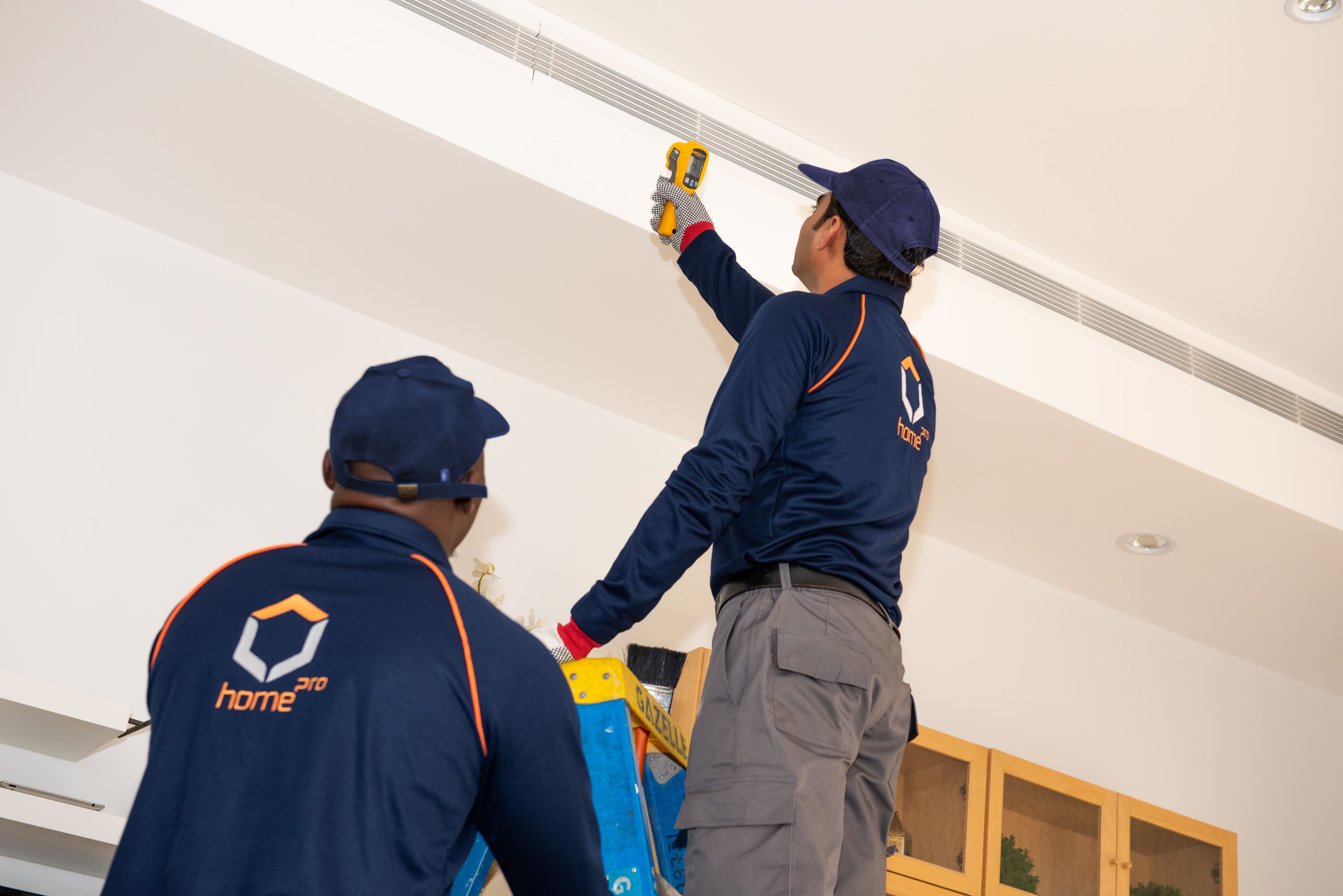
HVAC systems are the backbone of comfortable, productive buildings. In commercial facilities, heating and cooling systems can account for up to 40% of total energy consumption, making performance, efficiency and reliability critical. Poorly maintained systems can lose up to 5% efficiency annually, increasing energy bills and reducing equipment lifespan. HVAC performance should be approached as a strategic asset management discipline rather than a reactive maintenance task. A structured, data-driven approach helps optimise system reliability, reduce lifecycle costs, and improve long-term operational resilience across facilities.
Whether you are a facilities leader seeking performance optimisation or exploring hvac tips for beginners, these tips reflect the standards we apply across complex commercial environments.
Why HVAC Maintenance Matters in 2026
Industry data confirms what we see across managed portfolios:
Preventive maintenance can reduce energy costs by up to 15%.
Over 60% of HVAC breakdowns are linked to inconsistent or poor maintenance.
Systems under structured maintenance programs last significantly longer.
In today’s environment of rising energy costs and stringent sustainability targets, reactive maintenance is no longer viable. Proactive programs with broader facilities management services are essential for operational excellence.
Top 10 Easy HVAC Maintenance Tips
These HVAC maintenance tips combine best practices with practical insights to improve efficiency and prevent costly failures.
1. Change or Clean Filters Consistently
Clogged filters restrict airflow, forcing the system to work harder and increasing energy use. Over time, this can damage components and reduce air quality. Check monthly and replace every 1–3 months.
2. Keep Outdoor Units Clear
Blocked airflow around the condenser reduces heat dissipation, causing overheating and higher energy consumption. Maintain 2–3 feet of clearance from debris and vegetation.
3. Clean Evaporator and Condenser Coils
Dirty coils reduce heat transfer efficiency, making the system run longer and increasing wear. Annual cleaning prevents performance loss and system strain.
4. Monitor Refrigerant Levels
Incorrect refrigerant levels reduce cooling efficiency and can damage the compressor. Regular checks help avoid leaks and costly repairs.
5. Schedule Bi-Annual Professional Inspections
Minor issues like loose connections or worn parts can escalate if ignored. Routine servicing ensures reliable performance and prevents breakdowns.
6. Optimise Thermostat Settings
Frequent temperature changes increase system cycling and energy use. Smart or stable settings improve efficiency and reduce wear.
7. Inspect and Seal Ductwork
Leaky ducts waste energy and cause uneven cooling. Proper sealing improves airflow and reduces system load.
8. Keep Air Vents Unblocked
Blocked vents disrupt airflow balance, forcing the system to overwork and reducing efficiency.
9. Monitor Performance Trends
Unusual noise or inconsistent cooling signals underlying issues. Early action prevents major failures.
10. Educate Your Team
Basic training helps teams identify early issues and follow preventive practices, reducing downtime and repair costs.
Why Imdaad is a Trusted HVAC Leader
Imdaad integrates certified technical expertise, predictive maintenance technologies, and digital monitoring platforms into every HVAC engagement. By embedding HVAC programs within comprehensive facilities strategies, we reduce downtime, improve occupant comfort, and support ESG targets across commercial, retail, healthcare, and residential portfolios in the UAE.
HVAC maintenance is about prevention, not reaction. By applying these hvac maintenance tips, focusing on basic hvac maintenance and sharing hvac tips for beginners, organisations can reduce costs, improve comfort and ensure long-term system performance.
Request a Consultation. Contact Imdaad for Facilities Management Services.
Frequently Asked Questions (FAQs)
1. Can poor HVAC maintenance impact indoor air quality compliance?
Yes, poor HVAC maintenance can negatively impact indoor air quality compliance. Clogged filters, dirty coils, and unclean ducts allow dust, allergens, and contaminants to circulate, potentially leading to regulatory non-compliance and health risks.
2. How often should commercial HVAC filters be replaced in high-dust environments?
In high-dust environments, commercial HVAC filters should be inspected monthly and replaced every 1–2 months, depending on dust levels and system usage, to maintain airflow and indoor air quality.
3. How often should an HVAC system be serviced?
An HVAC system should be serviced at least twice a year—once before the cooling season and once before the heating season—to ensure optimal performance and avoid unexpected breakdowns.
4. What problems are caused by poor HVAC maintenance?
Poor HVAC maintenance can lead to reduced airflow, refrigerant leaks, compressor damage, higher energy bills, uneven cooling, and overall system inefficiency.
5. What are some HVAC tips for beginners to prevent breakdowns?
Beginners can prevent HVAC breakdowns by checking and replacing filters monthly, keeping vents unblocked, monitoring unusual noises, and reporting issues early to avoid major failures.
6. How does preventive HVAC maintenance reduce costs?
Preventive HVAC maintenance reduces costs by improving energy efficiency, minimizing unexpected repairs, extending equipment lifespan, and lowering overall operational expenses.