
Insights
Evolution of Facility Management: From Maintenance to Integrated Excellence
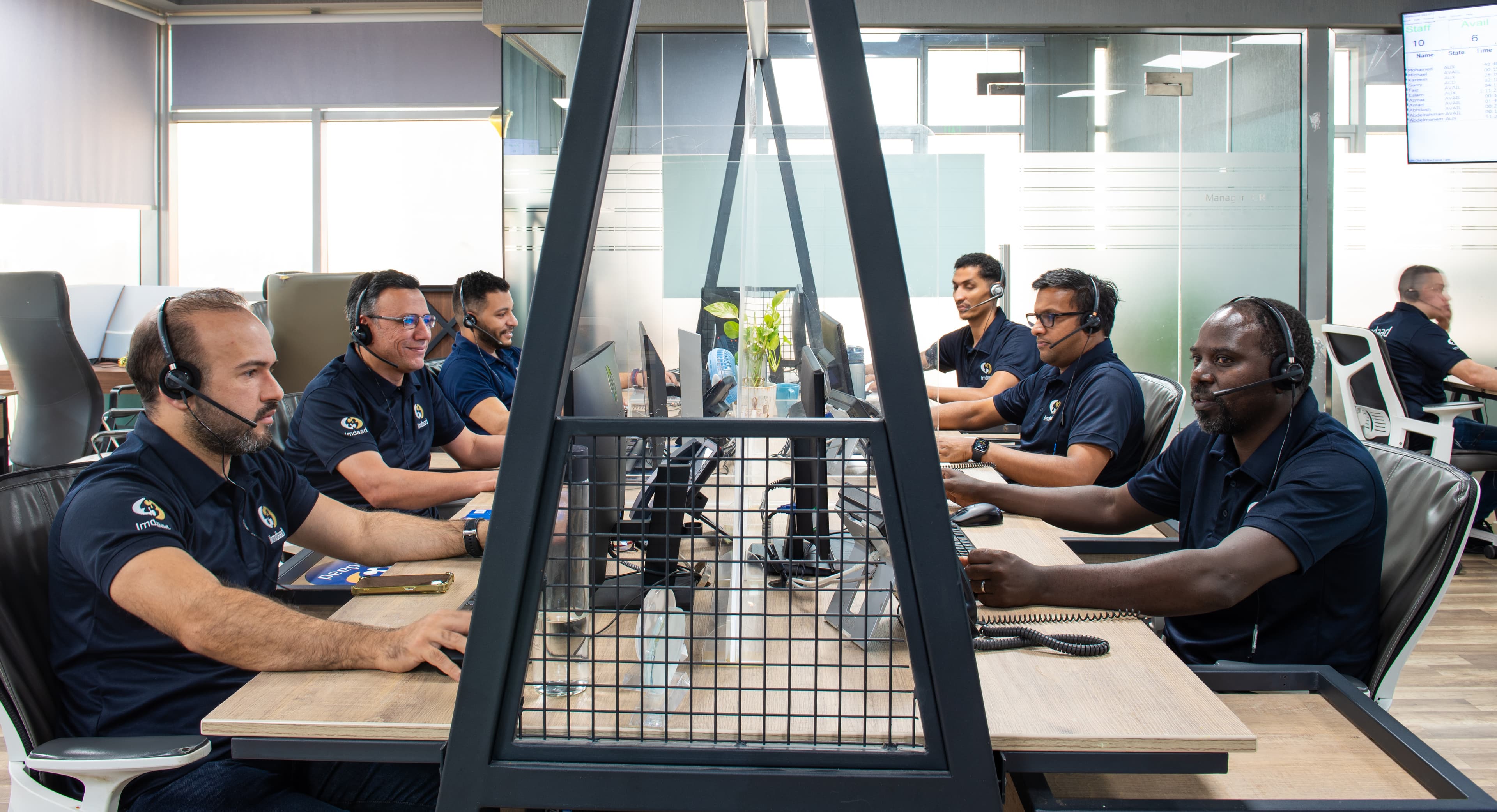
Facility management has shifted from basic building upkeep into a strategic, technology-led function that drives operational efficiency and long-term sustainability. What was once limited to maintenance has now become a critical business enabler.
Imdaad has been part of this shift in the UAE, providing integrated facility management services across commercial, residential, and industrial properties.
This blog traces how the industry developed, what changed along the way, and how modern service models are shaping the future - particularly in fast-growing markets like the UAE.
The History of Facilities Management: Where It Began
To understand where the industry stands today, it helps to look at how it developed over time
Before facility management became a recognised discipline, building upkeep was largely uncoordinated - driven by breakdown rather than planning:
Repairs were carried out only when something broke down
Multiple in-house teams or contractors handled different services with little coordination
There was minimal focus on efficiency, energy use, or occupant experience
At this stage, building operations were a purely operational concern, disconnected from broader business strategy. Tasks were usually split across in-house maintenance staff and individual contractors, with no central oversight tying their work together.
From Maintenance to Management
By the late 20th century, facility management entered a more structured phase.. Organisations began recognising that facilities directly impact productivity and cost efficiency.
This stage introduced:
Preventive maintenance practices
Space and workplace optimisation
Cost control and planning
This period marked FM's transition from a support function to an organised discipline, laying the groundwork for integration.
The Rise of Integrated Facilities Management
As buildings grew more complex, managing separate vendors for each service became inefficient. This created demand for a consolidated approach - integrated facilities management (IFM)
Rather than managing multiple vendors separately, organisations could now work with one accountable partner across all service areas.
Imdaad operates on this model, delivering the following services under a single, coordinated framework:
Technical maintenance and infrastructure management
Cleaning, hygiene, and support services
Environmental and sustainability solutions
Specialized services like fire safety and automation
This approach reduces operational silos and supports more consistent coordination across all facility services.
How the UAE Accelerated Industry Development
FM has matured particularly rapidly in the UAE, driven by large-scale developments, smart cities, and ambitious sustainability targets.
The region's growth has accelerated the industry's development through:
Mega infrastructure projects
Increasing adoption of smart building technologies
Strong regulatory and sustainability frameworks
Rising expectations for occupant experience
Imdaad has supported this growth by delivering FM solutions tailored to large-scale UAE developments, including mixed-use communities, healthcare facilities, and industrial sites.
Technology: From Reactive to Predictive
A defining moment for the industry has been the integration of advanced technology.
Modern FM now relies on:
IoT-enabled systems for real-time monitoring
AI-driven predictive maintenance
Data analytics for performance optimisation
Imdaad uses CAFM platforms and IoT-enabled monitoring to shift maintenance from reactive to predictive - helping reduce downtime and extend asset lifecycle.
This shift is helping organisations move FM from a cost centre toward a more value-generating function.
Sustainability as a Core Pillar
Sustainability has become another defining shift in how FM services are structured and delivered
Today, facilities management is expected to:
Reduce environmental impact
Optimise energy and water usage
Implement waste management and recycling systems
Imdaad embeds sustainability into its operations, with energy management, water conservation, and waste recycling programmes deployed across the properties it serves.
This progression reflects how closely modern FM now aligns with global ESG expectations. In the UAE, sustainability commitments tied to national net-zero targets have made environmental performance a standard requirement across FM contracts.
How FM Became a Strategic Business Function?
FM has now grown into a strategic business function.
Today, FM plays a key role in:
Enhancing workplace productivity
Ensuring regulatory compliance and safety
Supporting digital transformation
Improving overall user experience
With a unified service model, organisations can achieve greater efficiency while maintaining consistent service quality.
What Comes Next: Key Trends Shaping the Industry
Looking ahead, the industry will continue to be shaped by innovation, technology, and a stronger focus on environmental responsibility.
Key trends include:
Smart cities and connected infrastructure
Automation and robotics
Data-driven decision-making
Stronger focus on environmental responsibility
This journey - from reactive maintenance to intelligent, data-driven operations - reflects how significantly FM has grown as a contributor to business performance and sustainability. Understanding this progression helps organisations make more informed decisions about how they manage their facilities today.
Why Choose Imdaad?
Imdaad delivers a full range of FM services - from technical maintenance and MEP to cleaning, waste management, and energy services - under a single accountable provider, supported by CAFM and IoT-based monitoring.
With operations in the UAE since 2007, Imdaad has been an active participant in the regional FM industry's growth-moving from traditional, fragmented service models to unified, technology-driven operations.This combination of operational scale, technology, and sustainability focus makes Imdaad a strong partner for property owners and operators looking to reduce costs, meet ESG targets, and protect long-term asset value
Request a Consultation. Contact Imdaad for Facilities Management Services.
Frequently Asked Questions
How has facility management changed?
Facility management has evolved through three broad phases: reactive maintenance, where repairs only happened after breakdowns; planned preventive management, focused on cost and efficiency; and today's consolidated model, where technology, sustainability, and occupant experience are central to service delivery..
How has technology influenced facility management?
Technology has transformed facility management by enabling predictive maintenance - identifying equipment issues before they cause failures - along with IoT-based real-time monitoring and data analytics. Together, these tools reduce unplanned downtime, lower operational costs, and give facility managers better visibility across all building systems.
What services does an integrated FM provider typically manage?
Imdaad manages technical maintenance, MEP, cleaning, waste, and energy services under one coordinated framework - giving property owners a single point of accountability, supported by CAFM platforms and IoT monitoring for real-time visibility across all operations.
What are the benefits of using a single facility management provider?
Working with a single facility management provider eliminates the coordination gaps that come with managing multiple vendors. It creates one point of accountability for all services - from maintenance and cleaning to energy and compliance - reducing administrative overhead, improving response times, and giving organisations cleaner data across all building operations.
How do you evaluate whether a facility management provider is the right fit?
Look for four things: service breadth, technology capability, local regulatory knowledge, and a clear SLA structure. Ask how they handle unplanned breakdowns, what their average response times are, and whether their systems can integrate with your existing building management setup. In the UAE, also verify that the provider is aligned with relevant authority requirements and sustainability frameworks applicable to your asset.