
Insights
Top 10 Common Facility Management Challenges in 2026 — And How Imdaad Leads the Way
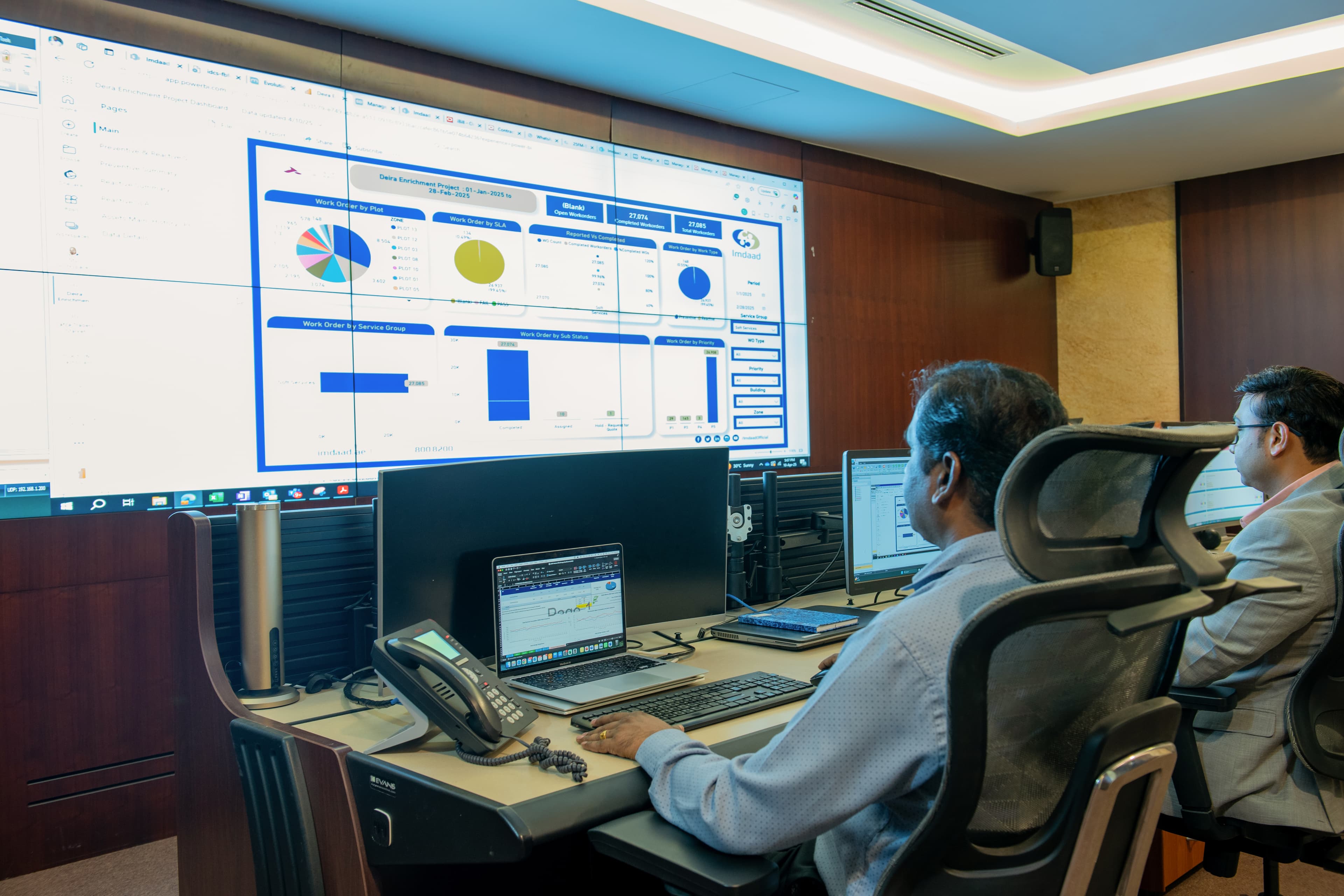
Facility management is entering a defining era. In 2026, organisations across the UAE and globally are navigating complex facilities management issues, evolving compliance standards, workforce shortages, and rising operational costs. At the same time, businesses expect greater efficiency, sustainability and digital transparency from their built environments. The global facilities management market continues to grow steadily, driven by urbanisation, smart building adoption and sustainability mandates. However, growth also brings heightened facility management problems that demand strategic leadership. As one of the region’s leading integrated FM providers, Imdaad continues to set benchmarks in operational excellence, sustainability, and digital transformation—helping organisations turn today’s challenges into tomorrow’s competitive advantage.
Facility management in 2026 is redefining how organizations function. Across sectors, organisations are facing increasingly complex facilities management issues, from cost volatility and compliance pressure to ageing assets and digital integration gaps.
In the UAE’s high-performance built environment, expectations are even higher. Businesses demand efficiency, sustainability, resilience and real-time visibility, all while controlling cost.
At Imdaad, we do not simply respond to facility management problems. We anticipate, engineer and solve them through an integrated strategy, advanced technology and performance-driven service delivery. As a trusted provider of facilities management in Dubai , we continue to set benchmarks in operational excellence, sustainability, and digital transformation - helping organisations turn today’s challenges into tomorrow’s competitive advantage.
Why Facility Management Problems Are Increasing in 2026
Below are the ten most pressing challenges shaping 2026 — and how Imdaad addresses them with authority.
1. Budget Constraints and Rising Costs
HAround 70-75% facility managers around the world have said that energy volatility, supply chain pressures and increasing asset complexity are some of the top facility management problems. Globally, cost containment remains the top concern for FM leaders.
At Imdaad, implement lifecycle asset planning, predictive maintenance modelling and energy optimisation frameworks that reduce reactive spend and protect long-term ROI.
2. Skilled Workforce Shortages
The FM industry faces a significant talent gap, particularly in technical trades. Imdaad provides continuous training academies, cross-skilling programs and strict competency standards to safeguard service continuity while elevating technical performance.
3. Digital Transformation Barriers
Fragmented systems and manual reporting create persistent facility management problems. Imdaad’s integrated platforms and predictive analytics tools create centralized transparency across portfolios, enabling proactive interventions and performance tracking in real time.
4. Escalating Energy and Sustainability Expectations
Buildings account for nearly 30-40% of global energy use. In the UAE, regulatory and ESG expectations are also increasing.
At Imdaad, we conduct energy audits, deploy smart optimisation and carbon-reduction strategies to help reduce operation costs and align performance with sustainability mandates.
5. Reactive Maintenance Culture
Deferred maintenance remains one of the most common building maintenance problems, leading to asset deterioration and unexpected downtime.
Our predictive and preventive maintenance frameworks detect asset stress before failure occurs, thus reducing breakdowns and stabilising operating budgets.
6. Regulatory Compliance Complexity
Fire safety codes, environmental standards and statutory inspections continue to evolve. Failure to comply can increase operational risk.
Imdaad’s compliance framework with structured audit trails, documented inspection cycles and centralised reporting ensures full regulatory alignment across managed assets.
7. Cybersecurity in Smart Buildings
As buildings become digitally interconnected, cyber vulnerabilities increase, adding a new dimension to modern facility management problems.
We incorporate cybersecurity best practices within smart building integration to protect digital infrastructure and operational continuity.
8. Vendor and Contractor Coordination
Imdaad’s integrated model: Consolidated services improve accountability and efficiency. Managing multiple service providers often results in inefficiencies - one of the most underestimated facilities management issues organisations face.
Our single-accountability structure consolidates services under unified governance, improving response time, transparency and cost control.
9. Aging Infrastructure
Legacy assets are a major contributor to recurring building maintenance problems, driving higher repair costs and operational instability.
Through condition assessments, capital forecasting and phased modernisation plans, we extend asset life while strategically upgrading critical systems.
10. Rising Occupant Expectations
Tenants, employees and visitors now expect seamless comfort, safety assurance and sustainability transparency.
Imdaad provides data-driven service performance ensuring that built environments remain productive, compliant and experience-focused.
The scale and complexity of today’s facilities management issues require strategic integration.
As a trusted leader in facilities management in UAE, Imdaad combines technology, sustainability, compliance governance and workforce expertise into one cohesive delivery framework.
We do not simply manage buildings. We optimise assets, mitigate risk and elevate operational performance across portfolios.
Request a Consultation with Imdaad for Facilities Management Services.
Frequently Asked Questions (FAQs)
What are the most common facility management issues in 2026?
The most common facility management issues in 2026 include rising operational costs, skilled workforce shortages, aging infrastructure, strict regulatory compliance requirements, cybersecurity risks in smart buildings, and increasing sustainability expectations.
What problems do organisations face in facility management?
Organisations commonly face reactive maintenance, poor vendor coordination, fragmented digital systems, increasing energy costs, and delayed infrastructure upgrades, all of which impact efficiency and cost control.
How do building maintenance problems affect business performance?
Building maintenance problems can cause equipment failures, unplanned downtime, safety risks, higher repair costs, and reduced occupant satisfaction, directly impacting business productivity and operational efficiency.
How can facility management challenges be reduced?
Facility management challenges can be reduced by implementing preventive maintenance, using smart monitoring technologies, improving asset lifecycle planning, and partnering with an integrated facility management provider.
Why is integrated facility management important in 2026?
Integrated facility management is important in 2026 because it centralises operations, improves accountability, reduces costs, enhances service efficiency, and enables data-driven decision-making across all facility services.